
Skibidi Games have blown up fast, and it’s easy to see why. The Skibidi Toilet universe – absurd, chaotic, and weirdly compelling – translates naturally into interactive gameplay. Toilets with human heads, Cameramen soldiers, and all-out war between bizarre factions give game developers a ready-made conflict to build around. This article covers the main game types, common objectives, and how different titles turn Skibidi characters into shooters, survival challenges, and browser-based chaos.
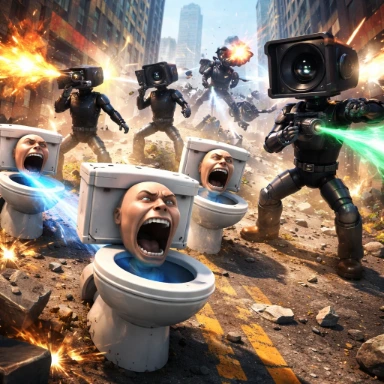
There’s no single official Skibidi game. What exists instead is a loose category of browser and mobile titles all drawing from the same bizarre source – the Skibidi Toilet YouTube series, where human-headed toilets wage war against Cameramen, Speakermen, and TV-headed figures across chaotic urban settings.
Most of these games share a recognizable setup. Players either defend against waves of hostile Toilets or take control of Cameramen fighting back. Maps tend to be fast and scrappy – city streets, indoor corridors, open arenas. The action rarely slows down.
What makes the theme stick is how genuinely strange it is. Toilets with screaming faces charging at camera-headed soldiers is absurd by design, and game developers leaned into that energy hard. Some titles go full shooter, others run survival or boss-rush formats. A few are simple browser games built for quick sessions.
The conflict, the characters, and the chaos – that’s what ties every Skibidi game together.
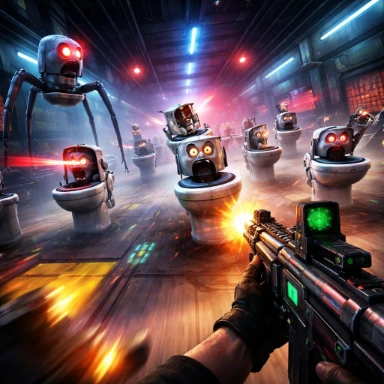
Formats vary a lot across the genre, and that variety is a big part of the appeal.
Hostile Toilets charge at you, and your job is simple – shoot them before they reach you. Most shooter-style Skibidi games drop players into arenas or corridors and throw increasingly aggressive enemy waves at them. Some include boss Toilets with extra health bars and special attacks, forcing players to change tactics mid-fight.
Lasting through ambushes is the whole point here. Players pick up weapons, find cover, and try to outlast timed waves. Difficulty ramps up fast, and there’s no real breathing room after the first minute or two.
Certain titles swap combat for obstacle runs or timed escape sequences. Playing alongside Cameramen units adds a cooperative angle – you’re not always the lone defender. Level-based progression keeps these games structured, rewarding players who clear stages cleanly rather than just surviving.
Not every developer treats the Skibidi universe the same way, and that’s actually what keeps the genre interesting.
Some games go full horror survival – Toilets hunt you down, resources are scarce, and the tension is real. Others flip the tone completely, turning the whole thing into a fast arcade shooter where you’re blasting wave after wave of Toilet enemies for a high score. A few lean into the absurdity on purpose, treating the meme as the joke and keeping gameplay deliberately silly.
Browser-based Skibidi games are a big part of why the category exploded. No downloads, no installs – just click and play. Controls are usually simple, objectives are clear, and sessions are short enough to fit a lunch break. That accessibility pulls in casual players who’d never bother with a full install.
Goals shift dramatically across titles. One game asks you to survive endless monster attacks. Another wants you to clear levels, defeat a boss Toilet, or protect a base from waves of invaders. Some put you in control of Cameramen defending against Toilets; others flip the script entirely. Each format creates a genuinely different experience despite sharing the same chaotic source material.
Across shooters, survival runs, boss battles, and browser-based chaos, what ties these games together isn’t a rulebook – it’s a shared universe of Toilets, Cameramen, and completely unhinged combat. Some games hand players a weapon and drop them into wave defense. Others build around level progression, timed challenges, or single climactic boss fights. Browser titles strip things back to instant, no-download action, while mobile releases add upgrade systems and longer play sessions. The formats are genuinely different, but the energy stays consistent. There’s no denying the appeal comes from combining dead-simple controls with the absurd logic of the Skibidi world – where a toilet is a threat, a cameraman is an ally, and somehow that all makes perfect sense once you’re in it.